Dubai’s property market is entering a more measured phase in 2026. After several years of rapid price growth, strong transaction volumes and intense competition for desirable properties, the market is beginning to offer buyers something they have been asking for: more choice.
During the first half of 2026, approximately 24,800 new homes were delivered across Dubai, representing a significant increase in completed residential supply compared with the previous year. At the same time, residential sales prices declined by around 2.6% quarter-on-quarter in Q2, while rents eased by approximately 2.5%.
These changes do not necessarily signal weakness. Instead, they point toward a market that is becoming more balanced.
For buyers and investors, that shift could create an important opportunity.
Dubai’s Residential Market Is Becoming More Balanced
Dubai’s property market has experienced exceptional demand in recent years, driven by population growth, international investment, business expansion and the emirate’s position as a global lifestyle and commercial hub.
However, a market cannot continue accelerating indefinitely.
As more completed properties enter the market, buyers have greater flexibility when comparing locations, developers, property types and payment structures. Sellers, meanwhile, may need to become more competitive on pricing and terms.
According to CBRE’s Q2 2026 UAE market review, Dubai’s residential market moderated during the quarter, with demand softening, transaction activity declining and new supply helping to ease pricing pressure.
For buyers, this can be a positive development.
Instead of rushing into a purchase because of limited availability, investors can spend more time evaluating whether a property genuinely fits their investment strategy.
More Supply Does Not Mean Every Property Will Lose Value
One of the biggest misconceptions about increasing supply is that it automatically means property values will fall across the entire market.
Dubai’s residential market is much more nuanced.
Properties differ considerably based on location, developer reputation, quality, views, amenities, accessibility, community infrastructure and rental demand.
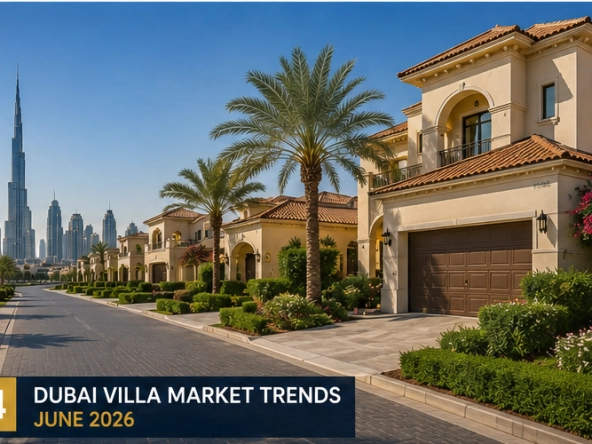
A newly delivered apartment in a highly competitive location may face very different market conditions from a limited-supply villa community or a premium waterfront residence.
This means investors should look beyond the headline market numbers.
The key question is not simply:
“Are more properties being delivered?”
The better question is:
“Which properties are likely to remain desirable when buyers have more choices?”
Ready Property or Off-Plan? The Decision Is Becoming More Important
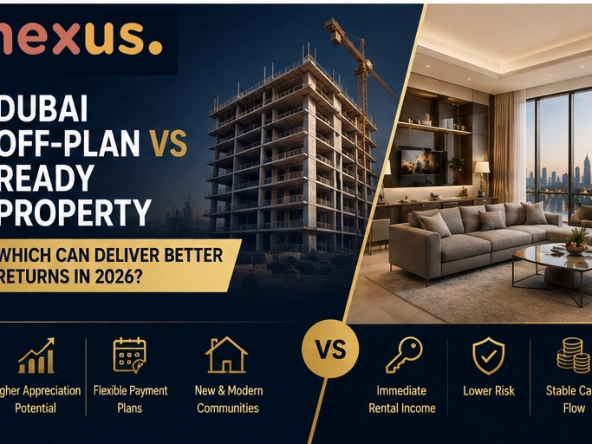
Dubai’s growing supply also makes the decision between ready and off-plan property more strategic.
Ready properties
Ready-to-move-in properties can provide investors with immediate access to rental income, an existing community and observable market performance.
Investors can examine actual rental transactions, occupancy levels, building management and surrounding amenities before purchasing.
For buyers seeking income and relatively clear visibility into an asset’s current performance, ready properties can be attractive.
Off-plan properties
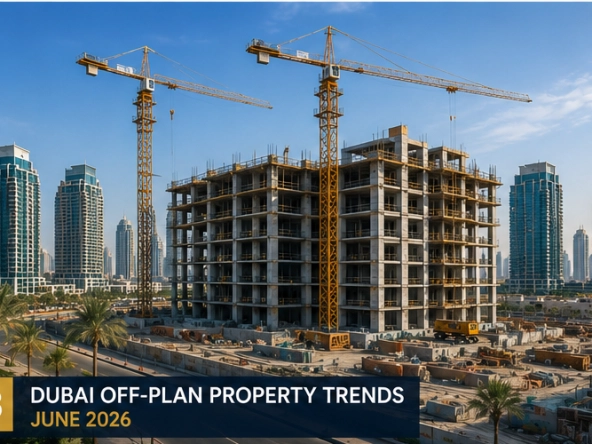
Off-plan developments remain an important part of Dubai’s property market.
They can offer structured payment plans, access to new communities and potential capital appreciation as construction progresses and infrastructure develops.
However, investors should assess more than the launch price.
Developer track record, project location, delivery schedule, service charges, surrounding future supply and expected rental demand should all form part of the decision.
Rental Yields Still Matter
Even as rental growth becomes more moderate, rental income remains a major consideration for Dubai property investors.
The market continues to attract landlords because of Dubai’s large expatriate population, employment growth, tourism ecosystem and international appeal.
But investors should avoid choosing a property based solely on an advertised rental yield.
A more useful calculation should consider:
- Purchase price
- Expected annual rent
- Service charges
- Maintenance costs
- Vacancy periods
- Property management costs
- Financing costs
- Potential resale value
A property with a slightly lower headline yield may ultimately be a stronger investment if it has better tenant demand, lower expenses and stronger long-term liquidity.
Location Is Becoming Even More Important
As supply increases, location can become one of the strongest differentiators between properties.
Established communities with strong infrastructure, transportation connections, retail facilities, schools and lifestyle amenities can continue attracting residents even when buyers have more options.
The same principle applies to luxury real estate.
Premium waterfront locations, branded residences and properties with genuinely scarce characteristics are not directly comparable with large-volume apartment developments.
Scarcity matters.
What Should Buyers Look for in 2026?
With a more balanced market, buyers should focus on fundamentals rather than short-term market noise.
Before purchasing, consider:
1. Developer quality
Research the developer’s delivery record, construction quality and reputation.
2. Community demand
Look at who actually lives in the area and why tenants or buyers choose it.
3. Future supply
Understand how many competing projects are expected to enter the same market.
4. Rental performance
Compare actual rental demand rather than relying only on projected returns.
5. Exit potential
Consider how easy it may be to resell the property in the future.
6. Total ownership costs
Include service charges, maintenance, financing and other expenses.
7. Long-term fundamentals
Look beyond the next six or twelve months and evaluate infrastructure, connectivity and economic growth.
A More Selective Dubai Property Market Could Benefit Serious Investors
The story of Dubai real estate in 2026 is not simply about rising or falling prices.
It is about market maturity.
More supply gives buyers greater choice. Moderating price and rental growth encourages more careful analysis. And increasing competition means that not every property will perform equally.
For experienced investors, this can be a welcome change.
Rather than buying simply because prices are moving quickly, investors can focus on properties with strong fundamentals, sustainable rental demand and genuine long-term value.
Looking to Buy Property in Dubai?
At Nexus Properties, we help buyers and investors navigate Dubai’s evolving real estate market with a focus on finding properties that match their objectives, budget and investment strategy.
Whether you are considering a ready apartment, an off-plan development, a luxury residence or an income-generating property, the right decision starts with understanding the market behind the property.
Explore Dubai real estate opportunities with Nexus Properties and find a property that fits your next investment move.