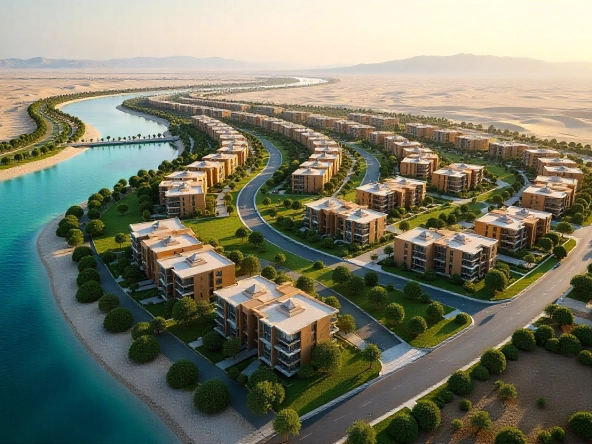
Dubai’s rental market is vibrant and dynamic, attracting both landlords seeking lucrative returns and tenants looking for premium living spaces. To ensure a smooth rental experience, it’s essential for both parties to understand their rights, responsibilities, and the best practices to follow. Here’s a comprehensive guide to navigating Dubai’s rental market effectively.
Understanding the Legal Framework
Dubai’s rental market is governed by the Dubai Land Department (DLD) and the Real Estate Regulatory Agency (RERA). Familiarity with the legal framework helps both landlords and tenants avoid disputes and ensures compliance.
Key Points:
● Rental Contracts: All agreements must be registered with RERA through the Ejari system.
● Security Deposit: Typically 5% for residential properties; must be documented in the contract.
● Notice Periods: Landlords must provide at least 90 days’ notice for rental increases.
Best Practices for Landlords
As a landlord, ensuring a hassle-free rental experience involves careful planning and transparency. Here are some best practices:
1. Set Competitive Rental Prices
Research the market to determine competitive rental rates. Overpricing may deter potential tenants, while underpricing can impact your ROI.
2. Maintain the Property
A well-maintained property attracts quality tenants and minimizes vacancy periods. Regular inspections and timely repairs are crucial.
3. Screen Tenants Carefully
Conduct background checks to ensure tenants are reliable and capable of meeting financial obligations. This reduces the risk of defaults or disputes.
4. Understand Your Responsibilities
Landlords are responsible for major maintenance issues unless otherwise stated in the contract. Being proactive about repairs builds trust with tenants.
Best Practices for Tenants
Tenants have their own responsibilities to ensure a positive rental experience. Here are some tips:
1. Understand the Contract
Read the rental agreement thoroughly and clarify any unclear terms before signing. Ensure all verbal agreements are documented.
2. Budget Wisely
Consider all costs, including rent, utility bills, and maintenance fees, to avoid financial strain.
3. Maintain the Property
Take good care of the property and report maintenance issues promptly. This not only ensures your deposit is returned but also fosters a good relationship with the landlord.
4. Know Your Rights
Familiarize yourself with tenant rights under Dubai’s rental laws. For instance, landlords cannot evict tenants without valid reasons and appropriate notice.
Common Challenges and How to Address Them
1. Rental Disputes
If disagreements arise, both parties can file a case with the Rental Dispute Settlement Center (RDSC).
2. Maintenance Issues
Clearly outline maintenance responsibilities in the contract to avoid misunderstandings.
3. Rental Increases
RERA’s rental index provides guidelines on permissible rental increases. Both landlords and tenants should refer to it to ensure fairness.
Why Choose Nexus Properties?
Navigating Dubai’s rental market can be complex, but Nexus Properties simplifies the process for both landlords and tenants. With our extensive market knowledge and personalized service, we ensure seamless transactions and mutually beneficial agreements. Whether you’re renting out your property or searching for the perfect home, we’re here to assist every step of the way.
Conclusion
Dubai’s rental market offers abundant opportunities for landlords and tenants alike. By adhering to best practices and staying informed about the legal framework, you can enjoy a successful and stress-free rental experience. Partner with Nexus Properties today to make the most of Dubai’s thriving rental market.