Dubai’s real estate market is one of the most exciting and active property markets in the world, attracting investors and homebuyers from all over. Every quarter, the emirate handles thousands of transactions worth billions of AED, creating a busy marketplace full of opportunities for those who understand its complexities.
You might think you know everything about Dubai real estate properties, but the market holds fascinating secrets that could transform your investment strategy. From unique ownership structures to residency benefits, the Dubai real estate market overview reveals layers of complexity that savvy investors leverage to their advantage.
Whether you’re interested in buying, renting, or selling properties in Dubai, the emirate’s property sector offers distinct advantages you won’t find elsewhere. The absence of property taxes, combined with strategic government initiatives, has created an environment where both seasoned investors and first-time buyers can thrive.
Understanding these hidden aspects of Dubai real estate can unlock lucrative investment opportunities and help you find your ideal home in this cosmopolitan city. The secrets we’re about to reveal will change how you approach property decisions in this remarkable market.
1. The Game-Changer: 2002 Freehold Law
The Freehold law Dubai introduced in 2002 marked a pivotal transformation in the emirate’s property landscape. Before this legislation, foreign nationals faced significant restrictions when attempting to purchase real estate in the UAE. The new law dismantled these barriers, granting international investors the right to own properties outright in designated freehold zones.
Key Freehold Zones That Opened to Foreign Ownership
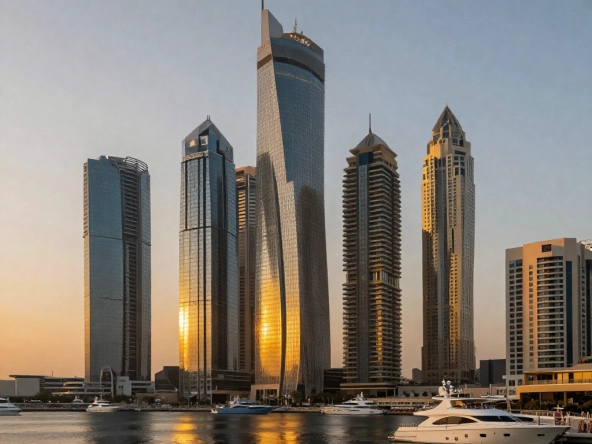
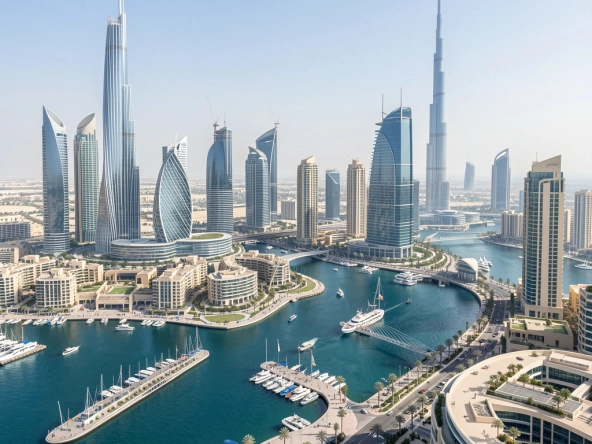
- Dubai Marina – A waterfront community offering luxury high-rise living
- Downtown Dubai – Home to iconic landmarks like Burj Khalifa and Dubai Mall
- Jumeirah Lake Towers (JLT) – A mixed-use development with commercial and residential towers
- Palm Jumeirah – The world-famous artificial island destination
This legislative shift created an unprecedented opportunity for global investors to properties sell rent without the complex partnership structures previously required. Foreign buyers gained complete ownership rights, including the ability to transfer, lease, and inherit their investments.
The impact on foreign property ownership was immediate and substantial. International capital began flowing into Dubai’s real estate sector at unprecedented levels, with investors from Europe, Asia, and the Americas recognizing the potential for both capital appreciation and rental income. The law essentially positioned Dubai as a global real estate hub, competing directly with established international markets like London and New York.
Banks responded by developing specialized mortgage products for foreign nationals, while developers launched ambitious projects specifically targeting international buyers seeking luxury properties in these newly accessible zones.