Sustainability is no longer optional in real estate — by 2026, it has become a defining factor in property value, buyer preference, and regulatory compliance. Governments, investors, and homeowners are prioritizing eco-friendly developments that align with long-term environmental goals.
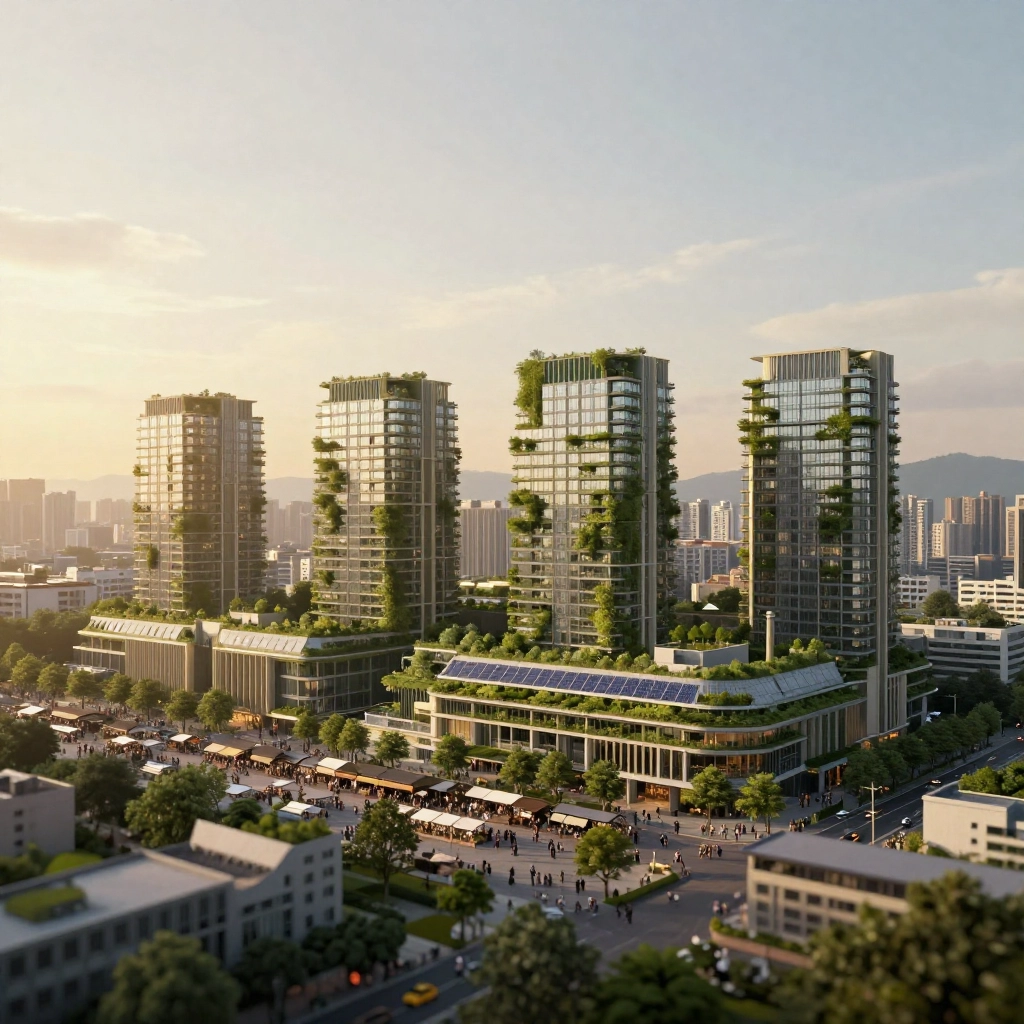
Energy-efficient buildings with solar integration, smart water systems, and sustainable construction materials are outperforming traditional properties. Green-certified developments benefit from lower operating costs, higher tenant retention, and stronger resale demand.
Developers are increasingly focused on master-planned communities that integrate green spaces, pedestrian-friendly layouts, and reduced carbon footprints. These communities not only enhance lifestyle quality but also create resilient property ecosystems capable of withstanding economic shifts.
Buyers in 2026 are more informed and environmentally conscious. They actively seek homes that support wellness, clean energy usage, and sustainable living. Properties that fail to meet these expectations risk becoming obsolete in competitive markets.
Sustainable real estate is no longer just about environmental responsibility — it’s a strategic investment advantage.